Seerene is a Berlin-based startup, spin off of the Hasso Plattner Institute, delivering dev analytics for enterprise software teams. Via LLMs the SaaS collates data from multiple development systems to understand code quality and team performance.
2016
SOFTWARE DEVELOPMENT
1 PRODUCT DESIGNER, 2X5 DEV TEAMS, 1 PO, 1 SCRUM MASTER
scope
Seerene connects to a company’s code repositories to issue trackers, to analyse code structure, quality, and team activity, surfacing patterns and risks that would otherwise remain hidden.
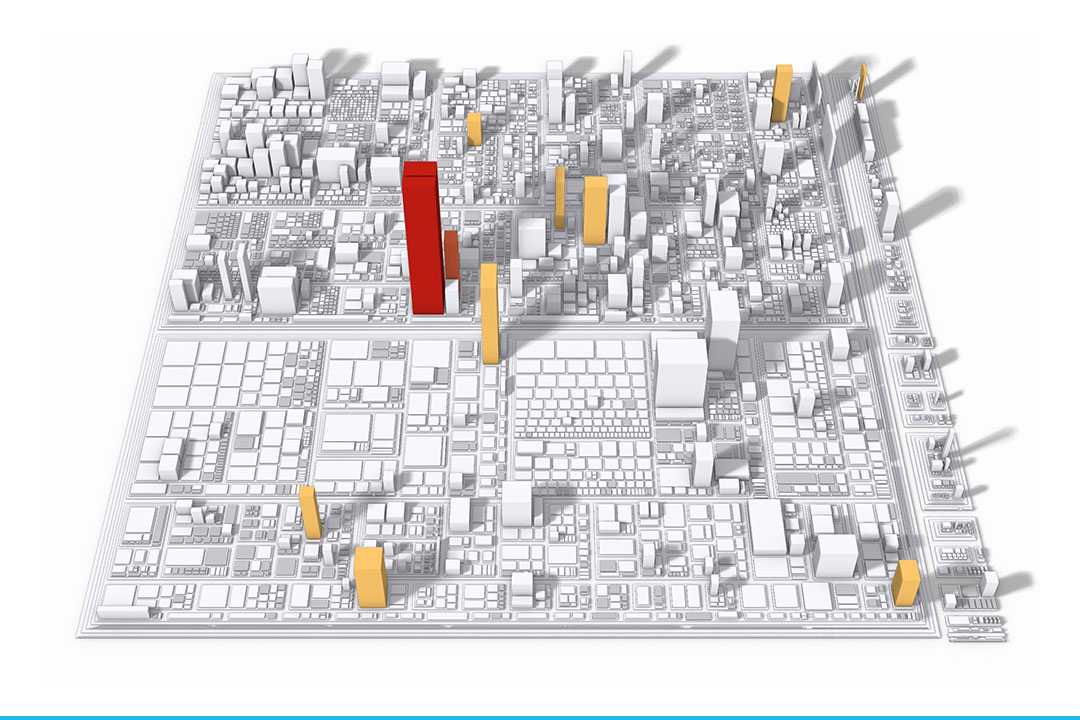
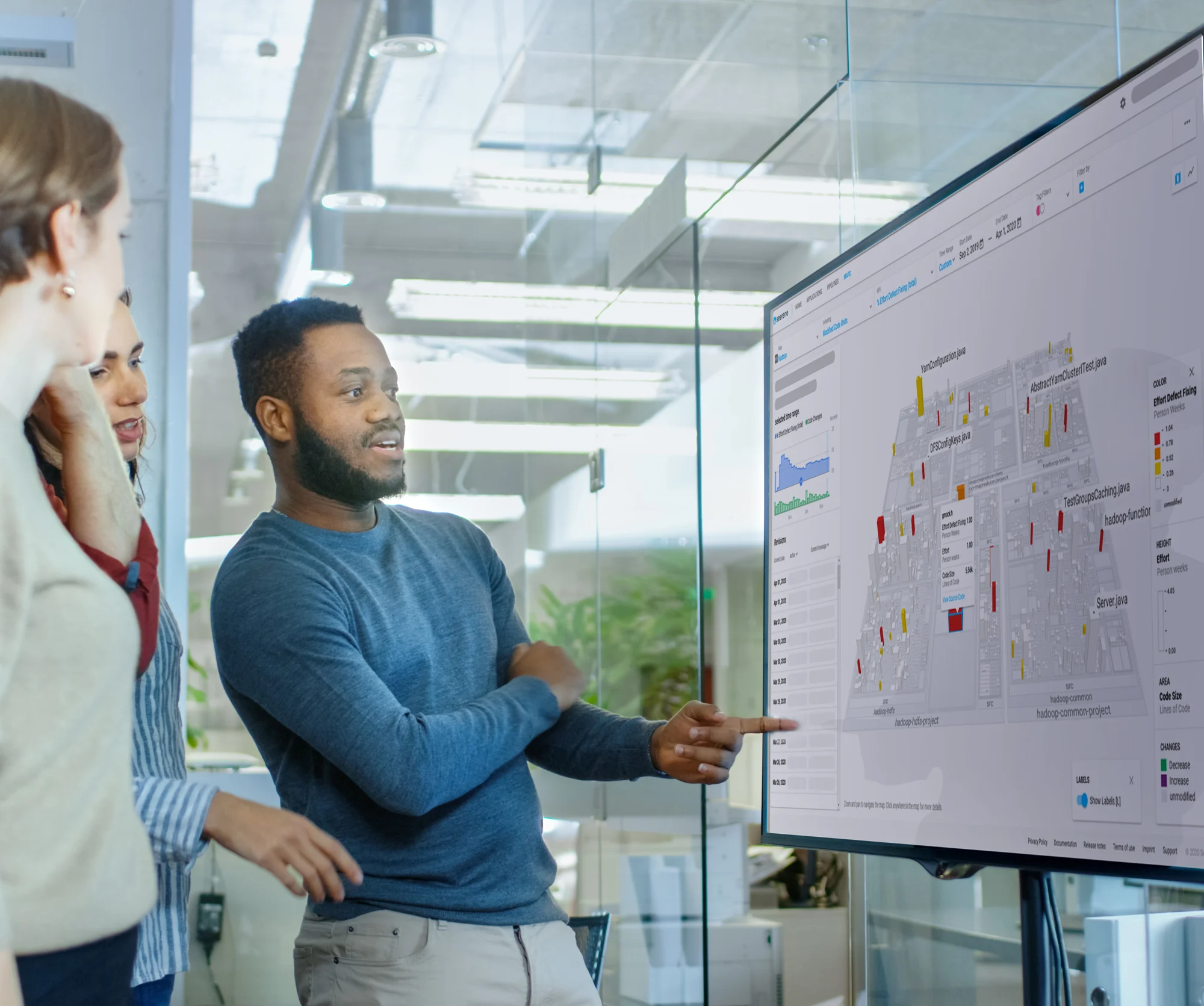
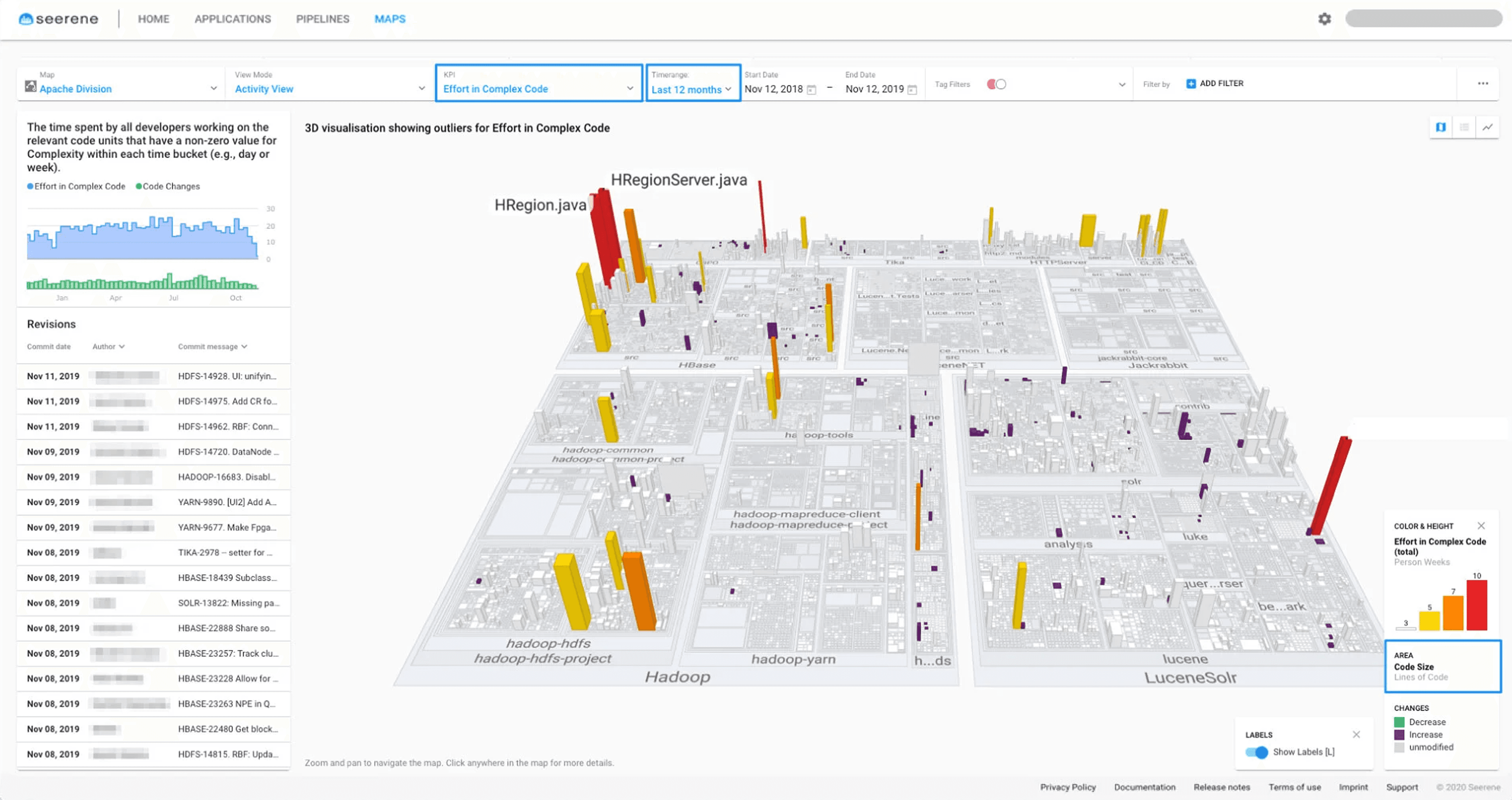
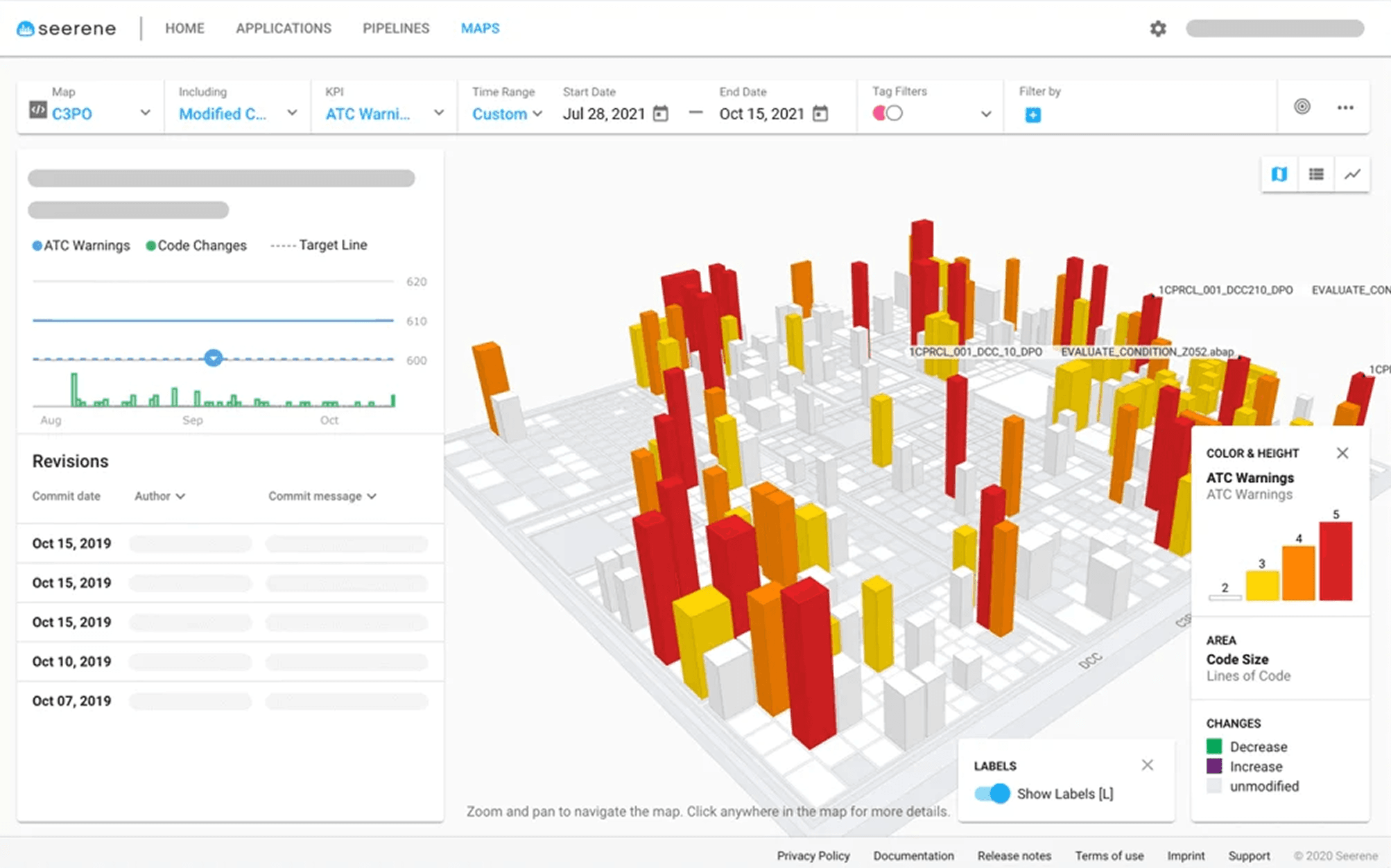
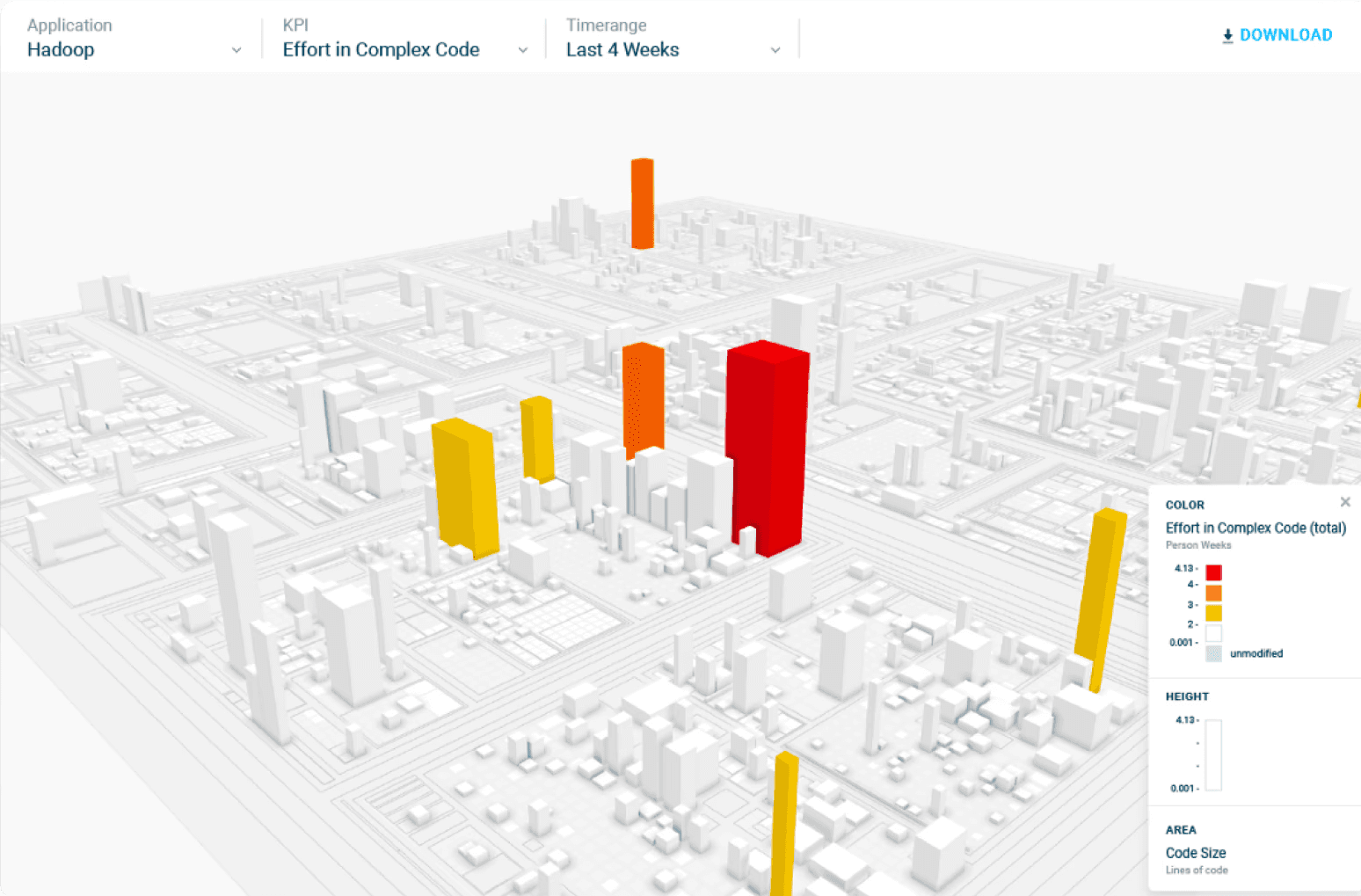
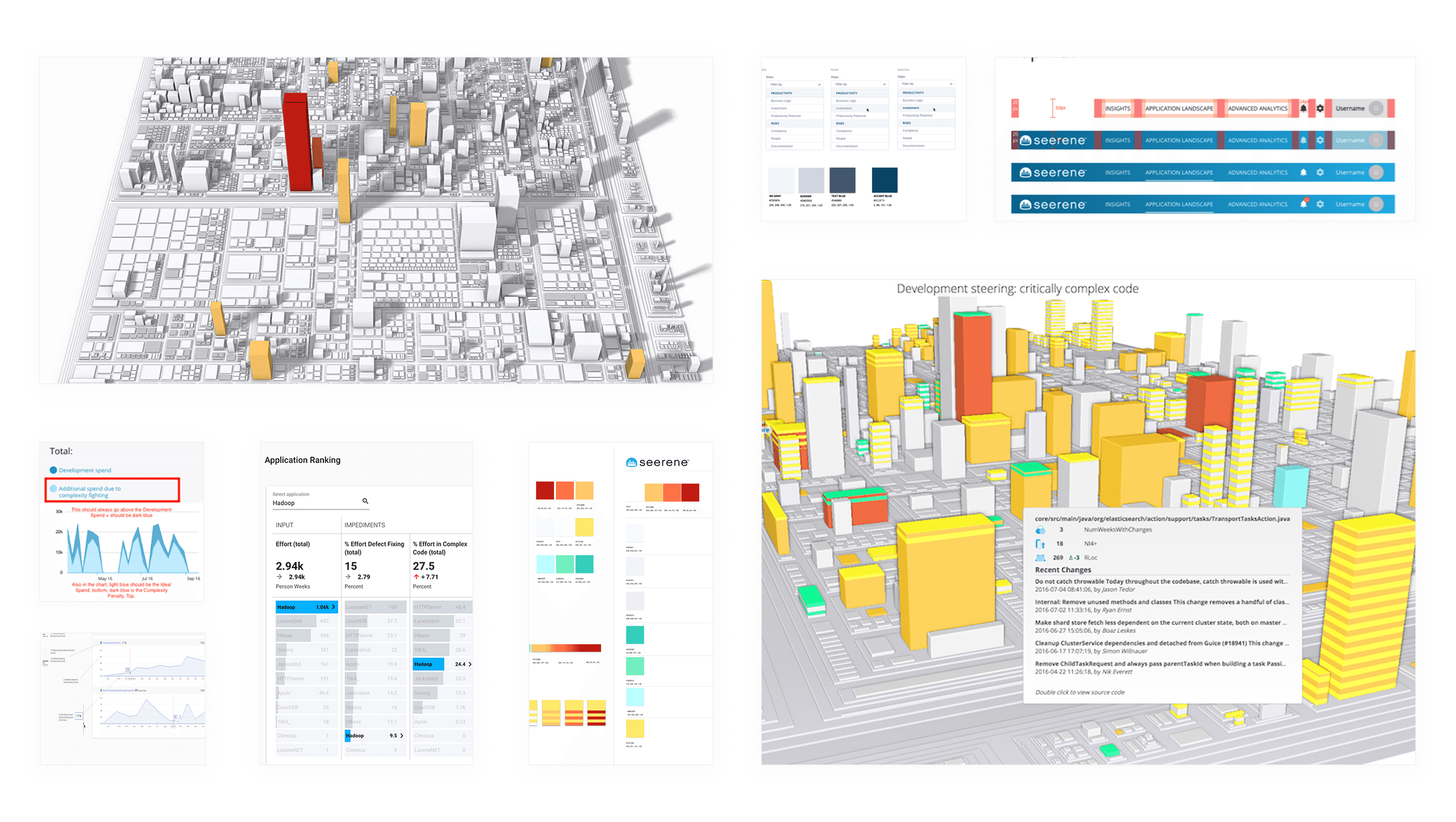
Insights are then visualized through 3D “software city maps,” giving engineering leaders a clear view of where bottlenecks exist, which teams need support, and how to optimize their development lifecycle.
from complex to clear
Seerene was born as a PhD project at the Hasso Plattner Institute before evolving into a venture-funded startup. At its core was a sophisticated algorithm that crawled codebases, analyzed their grammar and architecture, and produced quality assessments as color-coded “software city maps.”
The challenge: redesign dashboard UI and data visualisation in 2D and 3D over 5 months. This redesign needed to transform complex data relationships into intuitive user journeys, restructure navigation to match how teams actually approach optimization decisions, and create an experience that would make engineering leaders want to dig deeper rather than click away.
understanding the engineers dilemma
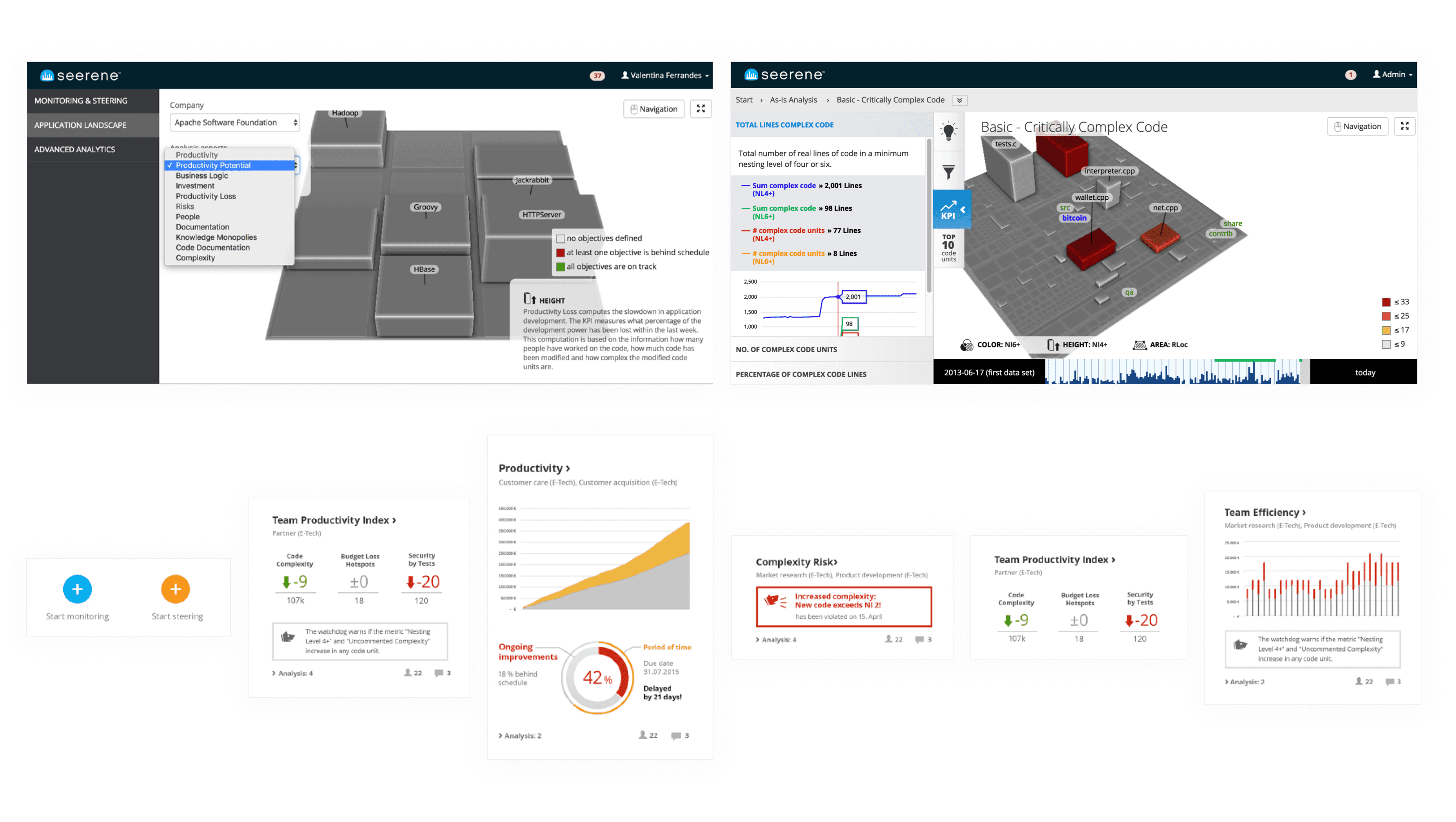
The technology was groundbreaking, offering insights that would take engineering teams months to uncover manually. Yet the paradox was clear: a tool designed to simplify complexity had itself become too complex.
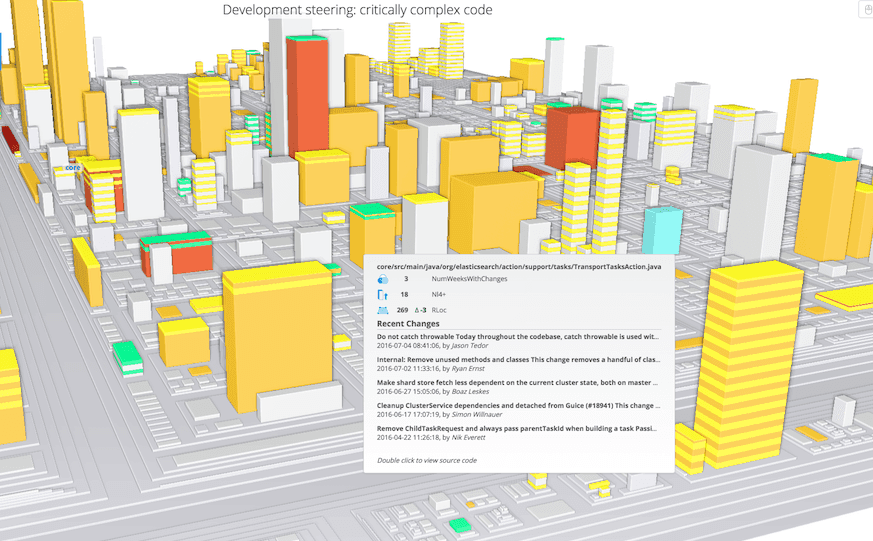
The taxonomy reflected academic concepts rather than management workflows, navigation assumed deep technical knowledge, and the interface intimidated its intended users. Before the redesign, Seerene looked like this.
solving the complexity puzzle
As sole UX designer, my role was to preserve Seerene’s analytical sophistication while translating these insights into intuitive user journeys. This meant improving the existing UI, simplifying critical flows, and working directly with business, sales, and technical directors across two development teams as part of the Agile process.
systemic design
We kicked off a comprehensive product design process to untangle this complexity challenge:
Case Study Development: through stakeholder interviews, built user scenarios matching insights with concrete examples of value delivery for CIOs and CTOs
Taxonomy & Language Audit: Reviewed existing terminology andIA, translating ML lingo into engineering MNGMT business language.
Agile Integration: worked with two SCRUM teams, one in Berlin and two remote, to plan and push incremental improvements and with PM to plan and execute design sprints
BI Dashboards: intergrated two new custom BI dashboards with dollar-cost metrics
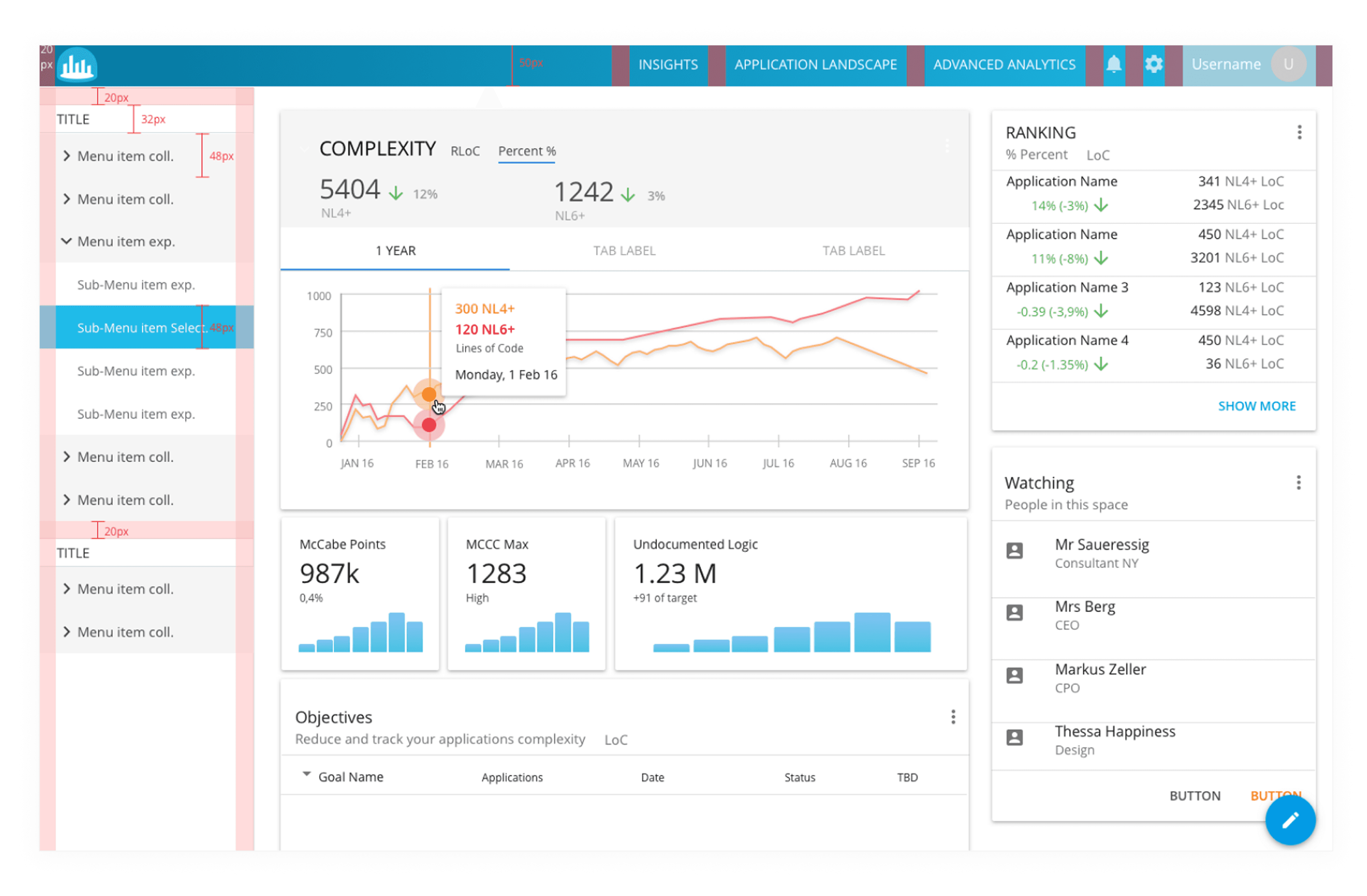
Material Design System: from bespoke, hard to mantain, to Material Design and React
from custom UI to React and Material Design
Based on our brainstorming sessions, we planned a platform redesign and a complete front-end framework update. We needed to transition from a custom UI front-end to a Material Design Component Library built on a React responsive framework.
I set the redesign goals and worked with PMs and Engineering teams to split the work into manageable packages, balancing immediate usability improvements with longer-term architectural changes.
This systematic approach allowed us to maintain platform functionality while implementing substantial structural improvements across iterative development cycles.